What if you could sleep yourself kind?
Learn how sleeping well helps you be the kind person you want to be.

Learn how sleeping well helps you be the kind person you want to be.
Is it bad to eat late at night? This question is coming up a lot in my work with clients. Luckily, several research groups are investigating how meal timing affects metabolic health. (And sleep – but I will talk about that latter point in more detail in a different post). In this blog, I will summarise the findings from two recent studies, and I focus on how the timing of your biggest daily meal and eating late can impact weight loss. And the opposite, weight gain and obesity.
When we make a mistake, we often blame and point the finger at ourselves for what we perceive as a major personal short-coming. Within seconds our mind starts to beat us up, wielding an invisible measurement stick and complaining that “You should have done this better, you are simply not good enough! Who will like you? You are a failure!” And these might be some of the ‘nicer’ thoughts that your mind hurls at you. But even when we are not making mistakes, our critical mind, the inner bully, is constantly evaluating what we are doing and how well we are doing it.
Bedtime procrastination means that people don’t go to bed and sleep ‘on time’ although there is nothing preventing them from doing so. It’s an intention-behaviour gap. They intend to go to bed but then stay up for another while. What’s the big deal you might ask? Well, less opportunity to sleep and therefore more sleep deprivation and tiredness the next day at work.
Often, we get stuck in spirals of fear and guilt about not sleeping or insomnia. Our minds race, our hearts pound, and anxiety piles upon anxiety. We feel alone and disconnected from our loved ones.
I blend evidence-based practices in my approach. The result is a combination of sleep science and chronobiology with Compassion-Focused Therapy, Acceptance and Commitment Training, and Mindfulness. In this post I explain what they are about.
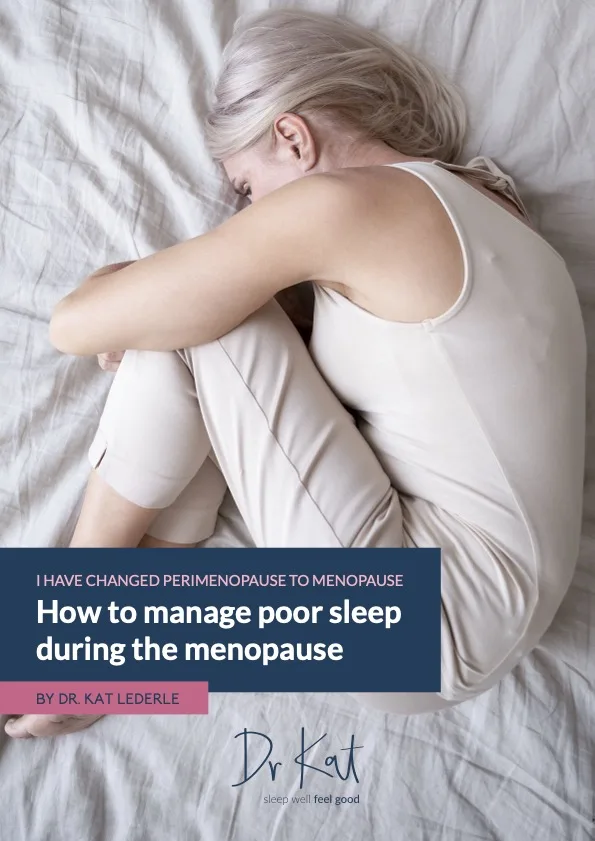
Download my free White Paper Poor Sleep During the Perimenopause here. Learn more about how a compassionate attitude helps you to alleviate your struggle with poor sleep and its daytime consequences.
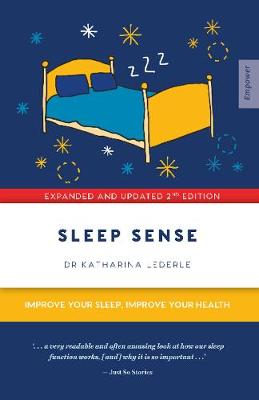
I wrote Sleep Sense to share my fascination with sleep with all of you. To help you understand why sleep is important for every single one of us. My aim is to empower you to take steps that are right for you to sleep well.